Invest well — and know what you're building towards
17 September 2026
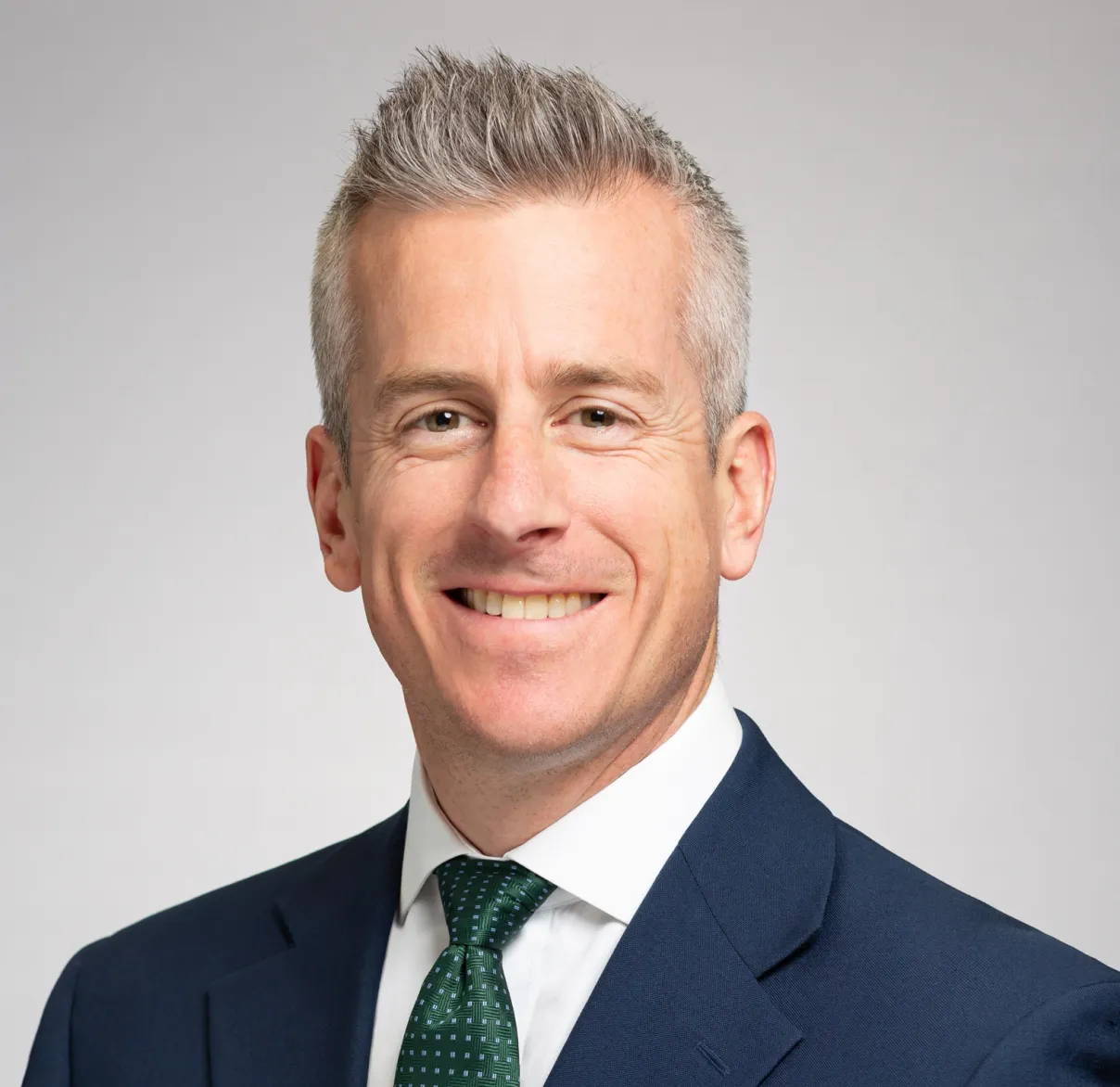
Matthew Woodrow, Head of Wealth, London and Cambridge, leads a team of more than 500, responsible for investment management and financial planning for more than £40bn in assets. It includes specialist teams covering client groups such as charities, private clients, financial advisers, business owners, and Court of Protection clients.
He joined Investec in 2011 as a Senior Investment Director and has spent his career building bespoke portfolios.
A committed traveller and endurance athlete – he’s completed the Marathon des Sables across the Moroccan Sahara. Matthew has a clear-eyed view of what investing well is for: not an end in itself, but for living well by giving him the freedom to choose.
Matthew talks about the biggest challenges his clients face when trying to live well, including changes to inheritance rules.
Article last updated 17 September 2026.
What was the first lesson you learnt about money?
At university, I reached the point where I was taking £10 out of my Lloyds TSB account and being charged £7 for the privilege. The overdraft fees made it quite painful. That was when it really struck home that I had to make my education pay. I’d always had a good work ethic – I worked throughout my A-Levels, and then worked weekends at British Home Stores in Reading while I was at university. But with the best will in the world, a Saturday job wasn’t quite enough to sustain student life. So there was no thought of a gap year when I graduated. I was in a job by the back end of September that year, and I’ve never taken more than three weeks off since.
Matthew Woodrow | Head of Wealth, London and Cambridge
I couldn’t secure a formal graduate role, so I trailed around the City through agencies and ended up temping in the back office of a bank. I was on contract for six months, then got a permanent role, then applied for an internal promotion to assistant private banker. That was my route in. It taught me early that financial security requires sustained effort – there are no shortcuts. That’s a lesson I still draw on when I talk to clients.
What does living well mean to you personally?
Money has always been a means to an end for me – a way to live well – not a goal in itself. My biggest passion is fitness. Beyond that, it’s travel. I’ve been to most continents – apart from the really cold ones! I love experiencing different cultures. My wife and I are quite happy sleeping on floors in villages in Laos, but we’ve also stayed in lovely hotels in Sicily. I like mixing it up. I can’t lie on a beach for a week.
What money gives me is the ability to choose – to me, that’s important to living well. One day, I’d like to get closer to the point where I can be choosier about what I do and how I do it – perhaps a portfolio of board roles or advisory work rather than five or six days a week. That’s what I see many of my clients move towards in their late 50s and early 60s, and it’s where I’d like to get to. But there’s much to do here for my clients first!
What do you hope retirement gives you the freedom to do?
Two things. First, I want to walk the length of New Zealand – north to south, both main islands. It would take about five months. My wife and I have done stretches of long-distance pilgrimage routes across Europe, and I love the whole concept of travelling under your own steam. When you’ve done some long treks, you understand what it means to be truly cut off. You get into a different rhythm of life. That’s when you really relax and live well.
Second, South America, which I haven’t been to much. I’m reserving it for retirement because I can’t face the seven or eight-hour time difference while I’m still working. Argentina, Brazil – a few months, done properly. That’s the plan. Do it while I’m still fit and able.
What are the biggest challenges your clients face when trying to invest well?
A great deal of investing well – and planning well – now hinges on inheritance. The forthcoming change to pension legislation is concentrating minds: from April, personal pensions will be part of a person’s estate. For many of our clients, we’d invested their pension with one eye on passing it to the next generation free of inheritance tax. That’s no longer the case. We’re now adapting our client plans in advance of the changes. That means taking them through the available options.
We have a range of clients, all with different needs. One thing they all have in common is the effect of changes in tax and legislation. The avenues for passing wealth down efficiently are gradually being reduced. A personal and tailored approach is key to planning effectively for each and every one of us. We can help them navigate this, but people are having to accept that some of the costs previously softened by tax advantages now fall directly on them.
Matthew Woodrow | Head of Wealth, London and Cambridge
Money has always been a means to an end for me – a way to live well – not a goal in itself.
How do you help clients work out what they actually want, so that they can live well?
We used to call it the need behind the need. A client might sit down and say: “I need an income of £75,000 a year.” And the question is: what does that actually need to achieve? Often it turns out that £50,000 is for them personally, and the other £25,000 they’d like to gift to their children each year. Once you know that, you can think about a more efficient way of bringing it about – perhaps a discretionary trust for the gifting element rather than simply paying it all out as income.
It’s a simple example, but it illustrates the point. Money doesn’t mean anything in the abstract. What matters is what investing well can achieve. You can only get to that by spending time with people and digging underneath the surface. Once clients have secured their own needs – care provision, retirement income – the conversation moves to the next generation. And then, for some, to philanthropy. Several of my clients have their own charitable foundations. The ambitions are as varied as the people themselves.
We’d like our clients to come to us to talk about the dreams they’d like to realise.
What advice would you give your younger self about investing well?
Start working as early as you can, and don’t wait for the perfect moment to begin saving. The overdraft at university was a painful lesson, but it was a useful one. It made me understand that financial security is something you build through consistent effort, not something that arrives on its own.
And be clear about what money is for. It’s very easy to accumulate for its own sake and lose sight of the point of investing well. For me, it’s always been about freedom – the freedom to travel, to choose how I work, and eventually to walk across New Zealand for five months without worrying about what’s happening back at the office. Know what you’re building towards. That’s what makes the discipline worthwhile.