


Beyond the headlines, what does the Autumn Budget really mean for you and your clients?

Article last updated 27 July 2026.

We help a wide range of clients invest well so that they can focus on what matters.
Who we helpFocusing on you and your individual goals.
Helping turn the success of your business into financial security for your family.
Working with you, for your clients.
Helping charities invest in line with their mission and values.
We work with lawyers, accountants and other professionals.
Looking for someone to create an investment portfolio for you?
Our combined investment and planning service for a holistic approach to your finances.
Need help reorganising your finances and planning for the future?
Looking to invest in a fund? See our full range.
Structure your wealth for the future by bringing together legal, tax, family, and investment considerations.
Looking for investments that align with your values? See our sustainable investment options.
Rathbones’ dedicated personal injury (PI) and Court of Protection (COP) team.
Helping clients with £5m or more to protect, grow and structure their wealth for the long term.
Private, corporate, and investment banking services through our partnership with Investec bank.
Learn more about what it’s like to work at Rathbones, and search our current vacancies.
Learn more about our Board, Executive Committee and our approach to corporate governance.
Find the Rathbones Group Plc financials, reports, investment case and key events.
Read the latest news from Rathbones Group.
Our secure online portal and app, designed to give clients a clear view of their investments with us.
Our driving purpose is to help more people invest well, so they can live well.
We believe in doing the right thing for our clients and for others too.
Our awards and industry recognition reflects our commitment to exceptional wealth management.
Explore a range of topics affecting your finances, from retirement planning to the latest legislative changes.
Read about the key investment themes affecting global markets.
Listen in to or watch our specialists in one of our podcasts.
Explore our articles, reports and events on investing responsibly.
Timely insights, real conversations. Watch live or catch up anytime.
Whether you have a question about our services, or need to talk someone specific, we can help.
ContactsFind your local Rathbones office. We have 21 across the UK and Channel Islands.
Find the contact details for your Rathbones team by searching our people’s directory.
Our team will be in touch to help you book a no obligation consultation with an adviser.
Access the contact details for our media team.
Need to contact us about something else? Here you'll find all the options.
The second quarter has produced another set of challenging conditions. The US/Iran conflict is still not fully resolved; inflation remains higher than central banks’ targets, and UK domestic politics continues to hog the front pages. We explore how current events are unfolding, what lies ahead for the second half of the year, and where risks and opportunities are emerging.
Article last updated 27 July 2026.
Hosted by Victoria Bartlett, Investment senior PR Manager, this recorded session features John Wyn-Evans, Head of Market Analysis, who explores key issues including, the Gulf region, the AI debate and Burnham’s policies and market influence. John considers how portfolios should be positioned in this uncertain environment.
The webinar reflects general views and should not be taken as a recommendation or advice as to how any specific market is likely to perform.
Our next webinar is on Wednesday 14th October
Victoria Bartlett:
Good morning. My name is Victoria Bartlett. I'm the investment senior PR manager at Rathbones. Thank you for joining us this morning. This is for our investment insights webinar which we are calling markets rise to the challenges. I'm joined today by John Evans, our head of market analysis, who will be talking us through those challenges and how portfolio should be positioned in this environment. As we move into the second half of this year, the markets landscape remains as complex as the first half and questions are building. Are AI driven returns sustainable? And what could the upcoming political events mean for investors? Over the next hour, we'll be looking to answer these questions and many more. John will be taking a close look at the key themes shaping markets and how those might develop. He will explore factors driving investor sentiment, discuss what those could mean for portfolios, and review how a disciplined, diversified approach could keep them on track. Throughout the presentation, I'm sure you have questions of your own, uh, which we look forward to answering. And there is a Q&A tab on the right of your screen, so if you could pop any questions that you have in there, and we look forward to coming back to those at the end of the session. And with that, I'm delighted to hand you over to John Win Evans, head of market analysis for today's presentation. John, over to you.
John Win Evans:
Thank you, Victoria. Morning everybody. Uh, good to be back with you again. And, um, what we're going to do this morning just to kind of break the ice as it were and to get things going. Um, you should be in a moment see a poll coming up on your screen. Um, I just wanted to sort of just see how people are feeling about markets at the moment. Obviously there seems to be you know plenty of nervousness around um and uh what we're asking is how do you see uh the uh markets global equities performing over the rest of the year? Um so answer A down 10% B down 0 to 10% C up 0 to 10% and if you're feeling quite bullish D up more than 10%. Uh so we'll just give a moment to see how those are coming through initially and it looks like the I'm happy to see uh that not too many big bears in the house. Uh we've got 3% saying down 10% or more even 2% in fact. Um 57% saying between up naught and 10%, 31% saying down naught to 10% and uh we got four big bulls in the house saying up more than 10%. So there we go. Uh that's a reasonable spread, but I think we're still not expecting any great fireworks necessarily uh between now and the end of the year. So um that's uh I guess our starting point, should we say, for where we are. Um, right. I'm now going to uh share my screen uh just so that we can uh look at the slides. Just give me two seconds. Do that.
Okay. So um as you can see the uh presentation of the uh this presentation markets rise to the challenges and it has been a very challenging year so far obviously not least with the uh situation in the Middle East. It was quite um fresh when we last spoke in April um and I think we were hoping it might all be resolved by now but obviously not and um and yet markets have continued to move on to new highs in spite of that. So we're going to look at the performance that we've seen for markets this year and sort of dig into some of the details. Um we'll then um also know have an update from what's going on in the Gulf at the moment. Talk a bit more about AI that's still very much front and center of the investment debate at the moment and I think a lot more sort of um questions about what happens next certainly in terms of returns from all the capex that's being made. Um look at some of the strong support we're getting from the market from corporate earnings. uh a little bit of politics particularly here in the UK and then uh finish off with some of my sort of timeless market truths. Um so you know I think the important thing to say about markets so far this year is this is a better than average year uh in terms of returns particularly from equity markets. Um on screen there you can see a selection of markets. The MSCI all countries world index up 11 and a half% on the total return basis this year. Uh in the US the S&P 500 up 10 and a half. In the UK the Footsie 100 about seven and a half of which as usual um uh 2% of that uh is from dividends. So you also get more dividends in the UK than you do elsewhere. Um MCI Europe XUK up 8.6 and then in Japan the topics up 15 and quite surprisingly for many in some ways the emerging markets index up 20% this year.
Although we're going to explain exactly why that is because it's all part of the AI phenomenon. Um and if we look at the sort of the way the shape of the market has gone this year, you know, everything started off quite nicely. Uh the global equity indices up about 4 and a half% before everything kicked off in the Middle East and then we got that 10% draw down uh on account of that and then about a 16% recovery uh since giving us that 11 and a half% return. Remember at the beginning of the year, you know, everyone was talking about uh lower interest rates being the driver for the market and the continued AI expenditure. Obviously, the interest rate environment has changed very dramatically over that period. In fact, uh interest rate increases now being priced in. If we look at what's happened to the bond markets, this is the Bloomberg Global Aggregate Bond Index. Total return this year just 0.39%. It's been another struggle for bond markets this year. Interestingly, you know what I was saying there is that bonds are still not zagging uh as it were. So, you know, when equity markets zigg, bonds sag, that's how it's been for many years, but not so much these days. Correlation performance between bonds and equities is much more positive now. So, they're not providing the same diversification benefits as they have to portfolios in the past. So, we saw bonds going up at the beginning of the year on hopes of higher interest rates.
we saw then bonds falling uh as the sort of inflation threat of higher oil prices comes through uh and really you know then with that sort of um so yeah so what we can see here is the um uh I'm going to move on from that one actually okay so in terms of the balance portfolios this year um yeah I've taken the Footsie private balanced index uh year to date uh that's up just over 6% um Again, you know, in terms of what we sort of project in terms of our long-term capital market assumptions and how they build together into a sort of relatively normal uh medium risk balance portfolio, that would, you know, 6 to 7% annual return would be uh kind of fairly normal and expected over a period of time. Fact you've done that in half a year. It's annualizing at you know around about 12 uh is a good performance so far this year. Um, and as ever, you know, we just like to point out that in spite of all the sort of travails that we've been through in the last five years, uh, you can see all sorts of things, you know, labelled on there from the, uh, Iran, the Russian invasion of Ukraine, the Liz Trust mini budget, Silicon Valley bank failure, um, all sorts of things that have gone wrong along the way. uh it's still a fairly inexorable climb of equity markets from the bottom left to the top right hand side uh of the screen. Now just looking at some highlights of markets this year the really big winners have been the uh semiconductor stocks. So the Philadelphia semiconductor index uh which is uh um quote in the United States that's up 72% this year and some of the really big beneficiaries of this semiconductor play have been markets in Asia. Uh so the South Korean index up 62% this year that's home to two very big uh memory chip companies uh Samsung and SKHix.
Um, and then the Taiwan semiconductor index, uh, Taiwan Semiconductor Company as well in Taiwan. You can see the Taiwanese index there up 59% so far this year. Um, the Magnificent Seven stocks, the ones that were kind of really leading the market up over the last few years have done nothing this year. And I think it's actually quite a positive development that, you know, markets have managed to do so well this year without the help from those, you know, massive seven uh, companies in the United States. Um then looking down at the losers so far this year just while emerging markets have done so well there's one of them quite conspicuously done poorly this year uh the nifty index in uh India it's down 6% uh obviously India has a problem it's a big importer uh of energy uh for example so high energy prices not helping it on terms of trade but also in terms of AI uh because of its huge exposure to you know software services and uh you know client support and that sort of stuff Again, it's seen as a bit of an AI loser. And then at the bottom there, the MSCI World Software Index down 18% this year. So, you may heard the phrase earlier on SAS apocalypse. Uh those concerns uh about software companies are going to be um disrupted by the use of AI as people do a lot of their own coding uh for example. And to talk about the emerging markets index in particular, it's quite a lot of people talking about it at the moment. Just to remind ourselves, emerging markets are very different beasts to what they used to be. Used to be packed full of mainly financial companies and um sort of resources companies for example. Uh but now it um at the end of June at any rate be a little bit less now I think because we've had some profit taking uh was 45% of the MCI emerging markets index.
uh financials are you know fairly low second at around about 18%. Um and what's extraordinary about this is whereas China and India have vied for the top spot in terms of emerging markets over the last few years uh we're now at a position where Taiwan uh is 27% of emerging markets. South Korea is 23. Uh China less than 20 and India only down 11. So, you know, if you're investing in emerging markets for diversification, as people have in the past, that you have to realize that you're much more correlated now to the performance of the US NASDAQ index than you've been in the past. And the top 10 constituents, you can see there all the big semiconductor plays, uh, TSMC at 15%, Samsung at 8, and SKH Highix at seven. Um so just you know be aware and I think if you you know you own for example a um uh an emerging markets fund u it helps to know exactly why it's done so well probably uh so far this year terms of global sectors year to date obviously still the standout is it but within that some nuances which we'll talk about in a moment um energy on the back of the uh the problems in the Middle East obviously has a good year as well with the oil price up um But then sort of adjacent really to the IT and the whole AI theme, you got industrials doing well and utilities doing well too. Then after that really it's kind of a bit of a much of a muchness uh below them in terms of performance. But you know to go back to the IT sector what's interesting if you look within it the uh world technology uh hardware and equipment index is up almost 30% this year. So again that's sort of packed with those semiconductor companies that are benefiting from the AI capex and then the software and services sectors are down 20% uh this year. So almost a 50% gap in performance between those two.
So not all IT companies are made equal by any stretch of the imagination. But even within software what's been quite interesting in the last uh few um you know months is the diversification within that. So for example, cyber security suddenly seeing as being extremely important. So Crowd Strike, a big American company involved there, um shares up very strongly up about sort of 60% so far this year. something like Salesforce the CRM business down you know almost over 30% and then Accenture the consulting company which a couple of years ago people were and they themselves thought they'd be a big winner out of AI as they helped clients to um build it into their processes that's also been a big loser in this environment um so you know just sort of looking at what we've done on terms of portfolios and everything uh this year the key thing that we did was we held firm uh during the beginnings of the uh US Iran conflict. We judged that mutually assured destruction would not be the outcome and that's still very much our opinion. We'll talk a little bit about more about how those things are developing there in a moment. Um we had a relatively short uh duration guilt exposure um at the time.
We're sort of worried in the background a little bit still about the uh in sort of inflationary pressures um in the world and uh that certainly you know when when guilt yields went up during that period we were reasonably well insulated uh from that but we've slightly increased duration since then just as a hedge against any possible economic slowdown particularly if the AI capex boom uh disappoints um over the course of the year we have gradually increased our equity risk weightings uh with a bit of a preference again for the United States um because we wanted to take advantage of the uh AI theme. Um, we've also recommended increasing index link guilt holdings a little bit as well relative to conventional again to provide some greater insurance against inflation shock and obviously with events of the last few days and concerns about the oil price uh that's been uh quite useful but we still don't want to go too long in terms of duration um on our guilt holdings because we're still concerned um about this background of higher and more volatile inflation in the longer term. So if we now sort of uh jump ahead to what's going on in the Gulf region at the moment. Obviously you know a week ago things look reasonably sort of calm over there. Um but everything has escalated again. Uh there's you know more fire than cease in the ceasefire certainly at the moment. And you know why is it re-escalating now? Well, I think one thing, you know, initially we had this memorandum of understanding or I describe it here, the memorandum of misunderstanding uh between the US um and Iran. It was, you know, just like two sides of A4 as it were. It wasn't exactly extremely detailed. Uh there weren't any final end points on it.
It just looked like a kind of kicking the can down the road to some degree, possibly until the midterm uh elections. Um and so you know nothing was really settled uh in terms of negotiations and you know what we're discovering is that the Iran in particular is in a position at the moment where it can kind of leverage uh what it's got particularly in terms of access to the um strait of Hormuz and it's probably in as good a position now as it can possibly be because as time goes by uh they'll be able to um we just heard in the last few is Dubai talking about um uh making uh provisions for getting oil out of the Middle East in a way that doesn't have to go through the straight of Hormuz for example. And we also know that the leaders on both sides, you know, they like to talk tough, particularly Trump, he wants to look good to his electorate as well. Um, and one thing that we've also seen is that every time the oil price comes back to the lower end of the range, it's like everyone relaxes and says, "Okay, the world's not going to, you know, get into too much economic trouble here. We can afford to sort of start talking a little bit tougher again." And then as the oil price goes back up, they have to back off uh as the trouble starts. And, you know, it's not just for Trump and the developed market countries and and the global economy generally. Even within Iran, they're at the position now where the economy is, you know, really in an absolute mess and they need to get some income uh coming in there. Um so, you know, what are the sticking points still? I think the biggest one for everyone is access to the straight of four moves. Uh Iran, you know, wants to somehow take control of it. They were potentially talking about tolls.
Uh and then Donald Trump himself pops up a couple of days ago and says they're going to put a 20% toll on all cargos coming through. And then yesterday being Tuesday, of course it was taco Tuesday, so he backed off on that. Um, but this concept of uh somehow monetizing traffic through the straight of moose suddenly that is is not going away. Um, but it's a sort of national, you know, international consensus really that this is an international waterway and there should not be tolls going through there. So um, in the end what is going to happen? We I don't I just don't think anybody really knows, but uh um certainly, you know, this is going to be one of the sticking points for quite some time. Um Iran's nuclear capabilities are obviously key in this. Um Trump is keeps on saying that he, you know, he reckons Iran would use a nuclear weapon as soon as they had one. Um we know that there are, you know, stockpiles of enriched uranium under a pile of rubble somewhere in Iran. Um and at the moment nothing can really be sort of verified in terms of what's there. Um you know this was the big agreement that the Obama government did in 2015 and allowing you know a certain amount of uh enrichment and uh also inspection of it that was scrapped by Trump and therefore you know all this thing has to be put together again. Uh but uh it it's proving a difficult uh task to do. Um [snorts] there's a potential of releasing several hundred billion dollars of funds to Iran in terms of its rebuilding as well. And I think from Donald Trump's point of view in particular, you know, how does he create a victory out of this? He has to make it look like he's won and and quite how he's going to achieve that in the current position uh isn't at all clear either.
So I think there's still a lot of um uncertainty around this. There there's much less equilibrium in the Middle East than there was before this all started. Um and uh I'm afraid it could be one of these situations that again we're just going to have to uh learn to live with. Um unfortunately um I'm just going to hop over that particular slide. Uh one thing that we you know do keep on tracking is the amount of oil tankers going through the straight of Hormuz. Um uh as you can see you know before the uh conflict started it was running you know between 60 and 80 every day. uh it dropped off to pretty much nothing for several months and then as we had the memorandum of misunderstanding we got up to about 20 tankers going through and then it dropped off again last week. I think a couple days ago it was three yesterday. I just checked the numbers and it was eight going through yesterday. But really we do need to see more traffic going through there to start sort of replenishing supplies uh around the world. And obviously it's not just oil, it's other um oil related commodities that are going through there as well. And you know, fertilizer, liquid, natural gas, uh these sorts of things. Um and you know, as the clock ticks, it does mean we have potential for more supply disruption uh to come through. There's only so long we can keep on digging into our oil stock piles. Um, and then just to put things in that longer term context, this is a chart of the Brent crude oil price going back the last five years. So, interestingly, it's coming around about $84 a barrel. Um, the average since the beginning of 2021 is $81 a barrel. That that obviously takes in the spikes that we've seen recently and also in 2020.
But it does at least mean at this sort of level, the world can live with this uh sort of price. uh I think we can say at this point and this seems to be sort of roughly where the anchor is u at which the um you know the uh the politicians don't want it to get a lot higher than this because of this disruption it would cause uh to the global economy.
Okay. So moving on to the AI debate um growing pains as I've described it here. Um this is still the kind of overarching really thing for markets at the moment. Everyone wakes up every morning and asks what on earth has the Korean stock market done today. Uh because of it big exposure to it. It seems to be up several percent or down several percent every day um at the moment. And um as you can see from this this is the this explosion in capital expenditure particularly by the big five cloud businesses the hyperscalers uh as they're known you know from this is billions of dollars the uh orange bars on there 200 you know odd billion dollars in 2024 400 billion in 25 almost 700 billion this year and then almost $900 billion uh in uh in 2027. it. This is just a scale of capital expenditure that we've never seen in the past. And then against that, I think the other important thing is the blue bars on this chart which show the free cash flow. So basically a lot of this expenditures been done out of the operating profits of the hyperscalers, but as they are increasing expenditure so much they're having to now fund it not through their operating cash flow but coming to the markets there. um you know Google, Alphabet the other day raised $85 billion in equity uh for example to fund its expenditure um and they're coming to the bond markets as well. So you know this is a big switch around in terms of the cash generation of these companies and uh that's one of the reasons why the mag seven stocks have not been performing uh is because there's a bit of uncertainty about what sort of returns they're going to be able to get on this massive capex. Um you know you know relative to some of the booms in the past and there's a whole list of them here.
The AI buildout currently deemed to be sort of between two and 4% uh of GDP. We've seen some much bigger ones than this in the past. Particularly things like railroad booms uh in the United States. Um the Japanese bubble uh which was the one for the ages really in construction real estate that was 15 to 20% of GDP. China's property bubble was even bigger than that as was the US housing bubble. So it's not you know out of hand so far but certainly I think we have to you know keep an eye on it uh in terms of how big it gets. But the good news is that there are encouraging signs in terms of AI adoption. We're seeing the aggregate annual annualized revenues of the uh mature AI startups. That's the right hand side. Billions of dollars coming in there. Um you know getting up towards hundred billion dollars now of revenues. Yes, it's not enough to justify the expenditure as it is but it's certainly on the way. And then on the left hand side there the median company monthly AI spend as well which is now sort of 10 to 12 dollars per um uh per employee and you know it's still very very early days. So McKenzie did a survey of AI adoption and basically you know 32% of people saying just testing it uh 30% just piloting it uh 31% scaling it and growing it some more but only 7% say it's been fully deployed and integrated and I think you know this is all part of the adoption of new technologies. It takes time for people to learn how to use it how to use it best within their organizations to get the most out of it. And I think, you know, we're still very very baby steps in terms of how we're using it at this particular point. Um, another sort of thing that's been in the news recently is this idea of um, token maxing.
Um so we've had some companies uh Amazon was one, Uber was another for example uh which were talking about just how much their employees had been using um AI models uh and therefore um they you know Uber famously managed to use its whole AI budget within the first four months of the year. So had to pull back uh quite sharply. Um we've also seen com um companies like OpenAI and Anthropic moving from billing people um on a sort of you know it's an all you can eat contract as it were to going on a per token billing basis as well and people suddenly woke up on that one to discover just how expensive tokens were when they started making inquiries of the LLMs and particularly when you're using aentic um AI. So um that's you can see the peak there in terms of the uh sort of you know average token expenditure as it were. This is per uh million tokens uh over just going up at the around about $2 there. Um and then it's come off quite sharply since the end of May and that sort of coincides with that sort of change in the pricing mechanism and people are now sort of saying okay if we've got really kind of important tasks that need doing which need an awful lot of uh computing power we'll go to the sort of you know higher scale L&Ms but if we just need normal jobs done then we'll use open source or go to the cheaper ones uh for example so again this is all part and parcel of the learning process but you know the bears have taken this and said uh you know oh it's all becoming commoditised and no one's ever going to pay up for the premium stuff and it'll never pay for itself. Um I think that's probably a little bit aggressive at the moment to take that view. But you can see we can now track as a pretty much on a daily basis the uh average token uh price uh that is being uh achieved.
Um and then just in terms of push back as well uh you can see you know what people are saying well maybe the the growth of AI and the dentist data centres won't be as big as people um are projecting currently there won't be as much capital expenditure. One of the reasons for that is apparently seven in 10 Americans oppose local constructions of AI data centers. Yes, nimbeism as it were is alive and well in data centres in the US as well according to this uh poll uh from Gallup. Um and then you know there are just so many opinions around uh on this as well and people voice them very very strongly. So my position I'm lucky enough to hear all sorts of speakers talking about this. Um couple of weeks ago um Jeffre hosted a call with a guy called Ed Zitron who you may well have heard of if you're following the AI debate. He's a um a very good self-publicist, I would also say. Um but uh he's sort of a a journalist as well. Um and has been writing an awful lot about AI. And basically his premise is that uh uh open AI and anthropic will never generate enough revenue to pay for the services that they're buying and effectively will end up going bust, which is quite an extreme thing to say at this particular point. Um and uh on the right hand side we had a presentation from uh BlackRock's uh technology uh fund managers and as you might expect they're exceptionally bullish uh on the situation. So there's complete divergence of opinions polar opposites there. Um you know one of the things that they see is this total addressable market uh for um for AI growing from the current $2 trillion to 11 trillion by 2030.
And behind that as well, you know, they're saying that the total industry capex will be about $9 a.5 trillion dollars whereas the current consensus opinion is about $5.5 trillion. These are mind-boggling numbers and I say just don't anyone really can say with any certainty which way it's going to go at the moment. I think we have to sort of build on the evidence uh as we see it acrewing. So from our perspective in terms of how we've approached this, you know, we've never bet against AI. I think that was the really important thing that we've done in portfolios even though at times we were concerned about some of the valuations, but it's been very difficult to be overweight the theme in balance portfolios just because of the sheer scale of it uh as it were. I mean you know even if you just look at the technology companies representing maybe you know 30 40% of the indices if you look at the kind of industrial companies and the utility companies that are also exposed it you you can get to you know 50 60% of a single factor driving markets at the moment and you know if that goes wrong that would be really really bad for portfolios in general. So we're trying to sort of balance the risk and the rewards uh within that.
Um certainly investors are increasingly demanding to see some payback on the capital expenditure though and I think that's where I say some of the uncertainty lies with the hyperscale companies uh at the moment and investors are still trying to sort out the winners and losers uh in the software sector as I pointed out earlier know cyber security a winner software as a service currently seen as somewhere as a loser um but we're also you know below this now we're going to see more companies beginning to benefit from implementing um some application specific generative AI tools as well. I think it's still early days on that. Um but we should see some productivity benefits coming through sooner or later hopefully sooner. Um okay, now moving on to uh the sort of equity side of things and particularly to um corporate earnings and I think you know this is when people sort of look at markets and say oh they're all time highs and you know we should be worried about them. The other side of this coin is the fact that earnings are also um at all-time highs. Um and one really interesting thing about this year so far and yes a lot of it has been driven by the AI cycle is that the earnings revision ratio so that's basically all of the upgrades relative to all of the downgrades um is at plus 20% at the moment. And usually you only see this sort of scale of earnings revisions, upgrades when we're coming out of a bad patch. So you know in the post covid area era as you can see um in in 2021 2022 and with the all the sort of fiscal stimulus that was going on we had massive period of earnings revisions there very positive got up to plus 40. Um the last one before that was driven very much by Donald Trump's first term tax corporate tax cuts.
So we saw a big bounce up there in sort of 2017 2018. Then go back all the way to you know 2010. Uh that was still the recovery period from the financial crisis. So um this is kind of you know different world as it were from that point of view and a very positive one I would say as well uh from what we're seeing in terms of earnings upgrades at the moment you know and if we look at this in the context of the Msei all countries world index um we're looking at sort of you know $45 of earnings last year 58 uh this year 68 in 2027 is the current forecast and 76 in 2028. So, you know, growth of 27% in earnings this year, 17% next year, 13% uh in 2028, that would take the 28 PE down to about 16 and a half times, which is, you know, not anything I think to worry about particularly. Um, and even though a lot of this has been say concentrated in AI, it's being pushed out across various sectors. So this in in terms of sort of current earnings growth it obviously is the big earnings growth sector but materials and communication services energy because of what's going in Iran also benefiting there but you know financials I always look at financials as a sector as a sort of you know the health of the world generally it's not necessarily direct beneficiary of AI um but that's you know doing exceptionally well at the moment too and really the only kind of um you know sector that's doing worse is consumer human discretionary at this particular point and again a lot of that will have been to do with the effects of uh the negative effects of what's going on in the Middle East. Um, in terms of global equity market valuations currently, just look at them relative to history.
Um, yes, you could say that generally, uh, with the exception of the UK, which always seems to look quite cheap, um, valuations a little bit higher than the sort of longer term averages, particularly in the USA, uh, little bit in Europe, but not much generally. And, you know, we're quite comfortable with valuations where they are at the moment. And you know, one of the reasons for that is because of the growth that we're seeing uh but also uh because of sort of the nature of earnings and the the very high margins that companies are are managing to achieve these days as well. And we're just heading now into the second quarter results reporting season. Uh we've had some very good results from some of the US banks u yesterday uh in particular. But if you just look at, you know, what the expectations are for the second quarter for the S&P 500, and I'll just focus on that because obviously it's by far the biggest index. It's about 2/3 of the global um equity market. Um you know, looking at 22% growth forecast uh for [snorts] this quarter and similar levels of growth for the third and fourth quarters as well uh this year. And if we look at, you know, the first quarter of this year, the expected growth is 12. It came in at 27. And even if you allow for the fact that some of that was the um uh accounting for the uh higher valuation of stakes in things like anthropic and open AI which does have to be put through the P&L because of the way the accounting system works it was still about 17% growth. So you know very very strong growth coming through um in the US. So always ask yourself what could go wrong here? What could undermine this rosy scenario? I think for most people the key one apart from some kind of exogenous type of shock would be inflation.
Um and obviously the inflation is still lingering on a little bit from the previous cycle. We've got the higher oil prices at the moment as well. Got all the expenditure on AI. There's shortage of chips for example. We saw Apple putting through some very big uh price increases on a lot of its products pretty much everything apart from the iPhone uh a couple of weeks ago. So that's all part and parcel of this process. So, you know, if inflation does become stickier, if if higher interest rates have to be applied, you know, could that lead to a slowdown, possibly a recession, then some margin repression compression as well. So, that I think that's the greatest concern that we have at the moment. Um, and you know, luckily with yesterday, we got some actually better than expected CPI data in the United States. So that's taken some of the pressure off um in the short term but I think the market will sort of lurch from one set of um economic data to the next and trying to judge that. Um the other concerns would be insufficient returns on capital expenditure. So that obviously goes very much to that AI story. Um and then any other sorts of supply chain uh disruption. So, you know, obviously most recently seen in terms of the Middle East and what's coming through the straight of four moves. Uh, but we've seen that in other things over the years, you know, rare earths, chips, you name it. Um, they're all subject to various sorts of disruptions as well. And you know for those people who are talking about the similarities between now and the late 1990s I think these two charts side by side show you some big one massive difference between now and then that that this bull market has been supported by the earnings growth.
So on the left hand side uh you can see that the actual PE of the US market has gone down over the last five years u rather than up in spite of the fact the market's done so well. Um and you can see there the forward earnings you know have more than doubled um over that period. So it has been driven by earnings. Very different to the late 1990s where basically the earnings hardly went up at all over that 5year period from 1995 to the end of 1999. Uh but they had massive multiple expansion sort of you know over three times uh growth in the PE um over that period. And so things were a hell of a lot more expensive uh back in those days than they are now. Um, other reasons to be slightly concerned at the moment, I think it's more a case of indigestion perhaps than anything else. One is this big uh potential for equity issuance this year. We've already seen the SpaceX IPO uh that was uh $86 billion I think in total um in the end. Uh it looks that open AI is not going to come to the market now till next year. Anthropic might come. There are other things in the background as well. But certainly when you've been in a world of dequantization, the fact that there are new companies coming to the market does mean that they have to be funded. So um again, you know, it just maybe takes some of the steam out of things, but it's not necessarily a big negative.
And I'll hop over that one. And then just finally in terms of positioning, uh it's quite interesting. So Deutsche Bank uh do a weekly um note looking at sort of uh investor positioning uh in the markets and one thing that they note is that discretionary investors so we're not talking about sort of people in putting money into uh index funds or in terms of uh you know kind of momentum following CTA investors or anything like that. Um but their positions at the moment they reckon to be relatively neutral. That's the green line. Um, and the blue line is the earnings growth and the green line tends to follow the blue line, you know, reasonably faithfully and it just hasn't done so this time. So, it doesn't look as though investors are sort of buying wholesale into this earnings growth that we've seen and there is a little bit of scepticism about it and I think again that's a good thing. Uh, that means that you know people are not overextended necessarily. Yes, we've seen some speculative activity particularly um in places like Korea with everything that's going on there and you know double triple leveraged ETFs on things like SKH Highix and Samsung and uh how that drove prices up and margin calls on the way down have done them the wrong way round as well. Um but generally more generally um I I don't think people are overexposed to this market um at the moment. Um so from the portfolio position, you know, what are we thinking? You know, earnings growth has been strong. It's starting to broaden out a little bit. That's positive. Um companies have been really good at keeping costs under control as well.
I think corporates have learned a lot of lessons both during COVID and then the Ukraine war about how to be flexible uh around costs and that is keeping margins in really good shape. We think that AI benefits could improve uh future productivity. So that's still something yet to come through. Um we've recommended increasing exposure to US equities to reflect um initially greater insulation from the Iran war particularly because of their self-sufficiency and energy um but also because of the AI theme as well um and um in fact our biggest over weights though in terms of our sectoral positions at the moment industrial so looking at those sort of picks and shovels companies in terms of the AI capex and also sort of barbelling that with something a little bit more kind of defensive which is healthcare care but also healthcare is an industry which really should benefit from AI in the future in terms of anything from patient records management and patient management but to drug discovery uh and even the ability to you know perform surgeries and and stuff like that as well. So um you know we're looking to get some balance in the portfolios from that point of the view. Um okay onto politics now and um well the king of the north is heading south. Uh that is uh this gentleman here um Mr. Bernham uh who uh I will become the prime minister any day now. Looks like he's coming in unopposed um and uh whether he'll travel on a big yellow bus remains to be seen but what are the implications of what he is going to bring to the world. Um, I mean, the truth is his policies are not yet fully fleshed out.
And I think in a way because of the selection process and the fact he's run unopposed, he hasn't actually had to be too aggressive in promising too many um things that maybe the city wouldn't like too much uh to the more sort of left-wing side of the party. Um, and you can come in with a sort of clean sheet of paper as it were. The focus that we've seen is on, you know, devolution of power. So talking about the sort of you know the downing street number 10 of the north more public control of utilities more investment in them uh social housing reindustrialisation opportunities for young people all sounds good on paper it'll remain to be seen exactly how those sorts of things are implemented you know for example the great house building plan that star came in with you know 300,000 houses a year for the you know duration of the parliament I think they're struggling to get to 150 at the moment for various reasons. Um, in terms of the economic effects, I think things would describe them as helpful but not transformational. Um, limited emphasis so far in areas that could boost growth in the UK, such as AI implementation or even a closer relationship with Europe, for example, that's obviously a difficult political thing to get through. Um, in terms of what it means for the u um financial markets, the good news is that Bern is pledging to stick with the current fiscal rules, but certainly some of his policy priorities look like they might require additional spending. So, we'll see how um he deals with that. And obviously, the new chancellor, whoever that might be, will inherit low fiscal headroom and limited tax raising options as well because they're ruling out all the things again, you know, things like national insurance and uh income tax, for example.
and there's only so much that they can keep on taking out of you know wealth and the wealthy as it were without really um starting to hurt the economy. Um but the guilt market is going to remain sensitive to the release of these further details and there has been some evidence of a higher term premium um in guilt yields recently. Terms of equities really the large cap multinationals in the UK are well insulated from this. They're actually a decent hedge against currency risk as well. um banks probably more vulnerable to higher taxes and and things like real estate and home bills as uh the most exposed to shifts in uh guilt yields uh for example and just looking at the bond markets I mean obviously we've seen big rises in bond yields over the last few years um the uh and it's not just in the UK though we've had this obviously global repricing uh of uh of the discount rate um but the UK and the US there at the top you can see markets just building a little bit of an extra premium to the yields there to account for combination I think of political um and fiscal um uncertainty but the key thing is that every time that you know it looks like there's going to be a misstep from the politicians there's a bit of selloff in the bond market and politicians sort of come back and say okay um we'll get back on the sort of straight narrow path again and I think the bond vigilantes are going to keep everyone on their toes um just from a relative point of view. It's worth making the point that, you know, UK government debt around about 100% of GDP in the middle there with the red box around it. It's kind of, you know, in the middle of the pack. There are plenty of other countries which are in a worse state than we are. Um, so, you know, where'd you go if not the UK as it were?
Uh, the UK does have a plan to reduce the the fiscal deficit. Indeed, on the right hand side there, you can see the blue line, you know, coming back to a 2% deficit by the end of this parliament. Um but again you know a lot of that is backend loaded and it'll be remain to be seen whether it will actually occur. And then in terms of my sort of favour barometer for sterling uh sorry for political risk I look at the pound and the pound is still trading at the upper end of its trade weighted range in the post-Brexit era. So that's sort of the channels there you can see on the right hand side. So, you know, sterling for me and and and foreign exchange traders are not pointing at this and saying, you know, that Burnham's going to blow up the economy by any stretch of the imagination. And just one other final wrinkle, I mean, would Bernham be brave enough to call um a snap election at this particular point. So, I was just looking back to even, you know, less than a month ago on the left hand side. Um this was the electoral calculus uh sort of they do their projections of seats in Westminster based on current polling and you know on the 26 on 23rd of June they had reform with 248 seats way ahead uh of of anyone else. Now since then that's reforms dropped to 208 and Labour's bounced up from 78 to 142.
So there's actually been quite a big shift I think in the country's mood and certainly you know we've seen some um say difficult things going on in the reform party in the last few weeks and I do seem to have lost some of their credibility and the fact that they showed so p poorly uh in the Makerfield election bi-election as well uh I think suggested that maybe they're not quite the threat that people uh had thought they were and again from a political perspective and the way that people view this from overseas I think that's a positive uh too. But do I think he'll dare call an election? I'll put my neck on the block and say no at this particular point. Um, and then obviously, you know, we've got the uh looking just a bit further at the US midterm elections on the 3rd of November, and I think as we get closer to that in the next webinar, we'll go into that into more detail. Um, I usually have a section on timeless market truths. Um I think given where we are uh coming up to 10 minutes to the hour. I'm not going to go through this uh particularly just remember that corrections normal part of investing. Every year the market goes down at some point and you know I think with the press the way it is these days everyone gets into panic mode about it and uh we have to accept that little bit of sort of structural volatility in markets and markets are more volatile today I think than they have been in the past. A lot of that's to do with the ownership of markets. the fact that you got more leverage structures in there, but everything seems to shake out very quickly. But I just wanted to hop forward to one particular chart here because this is of the moment um as it were. Um but obviously with tonight's uh World Cup semi-final uh going on.
I just want to go back to 1996 and the Euro uh semi-finals there. Um you can see Gareth Southgate walking back from having missed his penalty and just to look at some of the returns. So if you had instead of kind of you know crying into your beer as an England supporter and put £1,000 into various uh investments the following morning instead it wouldn't have been 30 years of hurt. It would have been 30 years of real returns. Um so if you put into the Footsie 100 back then you'd now have 6,844. If you put it into the global index you'd have had over 13,000. the S&P 500 22,000, the NASDAQ 60,000, and if you'd been clever enough to put it into Apple shares, your 1,000 would have turned into 1,887,000,
which is quite extraordinary. Um, over that period, the uh UK um CPI index has more than doubled. It's up 107% and that means that basically a pound in 1996 is worth 48p today. So just a reminder really of how you know investments in the long term are going to um uh defend your wealth uh against the ravages of inflation and take that long-term view. Uh so in terms of conclusions the you know yet again markets have overcome that geopolitical uncertainty. they you know maybe look fairly fully valued relative to history but earnings growth certainly in the absence of a recession remains very supportive and we do think this AI capics theme has you know further legs in front of it as well we'd seen some market rotation pre-Iran um and we've seen that sort of continuing as well people talking about the halo trade so that's hard assets low obsolescence I think that might start kicking in a little bit more once things settle down um in the longer term certainly we believe that inflation will be higher and more volatile than we've been used to in the past and we're constructing portfolios um accordingly. And then just to finish off uh I've got some words of wisdom here. This is from Jim Chenos uh who's the famous short seller. Um and I quite like this. In bull markets, people put a premium on promises and in bare markets they put a discount on reality. And I think you know we are in a bull market at the moment right now. Um, I think we have to be slightly careful about, you know, what people promise and and actually looking at the evidence for that happening uh as well. But just remember when things get bad, they, you know, people kind of run too far in the other direction as well.
And um, and because it's Wednesday, I always put this one in finally because we all feel like Captain had a at the moment the u the weeks are quite trying. I think it's fair to say. Um so there we are. Um left some time hopefully for some uh uh questions uh to come through. Thanks very much uh for your attention there. And also just a reminder that we've got a link for you to follow uh on LinkedIn as well for advisers. Um so uh over to you back to you Victoria um in terms of the Q&A. Um
Victoria Bartlett:
thanks very much Don. Um, all very interesting and ironic that we don't have time for timeless markets, I thought. [laughter] Well, we can always come back to those. They're timeless because they're timeless. Um, okay. Before we go to the Q&A and we do have some questions, I just wanted to run the final quick poll that we have for you today, which is on the subject of AI, which was a very big subject of John's presentation. Um, and is obviously something that we're all talking about on a daily basis. So I would like to know and we would like to know how have you adopted AI. If you go to your polls tab on the right hand side you can see the options there. So it's um not at all only at home experimenting with it regularly. So that's at least once a week a lot which is every day. and maybe you're just letting it take over your whole life and you're not just using it at work or at home, but you're letting the agent watch this webinar right now, which luckily is not the case as the poll sounds at the moment. Uh we will come back to those responses at the end while you have a chance to vote. I will sum those up at the end, but let's have a look at some of the questions that we've had in John. Um so a simple quick one at the start is will tech store will tech stocks ever fall?
John Win Evans:
Yes at some point they will I mean they're tech stocks are cyclical so they will fall at some point in the future. You always get a you know you get competing technologies you get obsolescence you will get overbuilding of capacity uh and and you know valuations will go too far. Um so yes at some point but you know calling that particular moment and as I explained in the presentation as well you know you can't just look at tech stocks as one big lump uh there are various lots of nuances within that and you know this kind of divergence between hardware and software stocks for example that we've seen this year as part and parcel of that I think what we'll find is that you know as as as AI becomes more prevalent we will discover which really are the winners and losers in that process. So you know tech stocks are still I think just the way the world you know exists today will always be a dominant part of portfolios uh in future. Um there's no doubt about that but yeah we are fully aware that they don't go up forever and grow to the clouds as it were.
Victoria Bartlett:
And back to the politics of your presentation are we expecting a truss like budget? What things should be avoided to stop a repeat of it?
John Win Evans:
Um, okay. Well, no, there won't be another trust light budget. I think that was one big lesson that was learned in terms of unfunded uh you know uh spending and and those sorts of things. Um so that won't happen again. Well, famous last words, but it shouldn't happen again certainly. Um I think just some sort of balance between you know trying to sort of raise funds to keep the fiscal balance under control but also allowing growth and I think the fact that um you know Mr. Bernham is taking on board some advisers including Andy Haldane um who uh was deputy governor of the bank of England I think um and also Jim O'Neal as well. um the these are kind of sensible people. They understand markets and I think they will give some insight to him in terms of how to deal with them. I think one thing I'd really like to see is a simplification of the tax code. Um I think the tax code is currently in terms of you know it's longer than the complete works of Shakespeare um at the moment and it's way too complicated and you've got these weird cliff edges and these disincentives to you know work and when you get that big marginal tax rate between 100 and £125,000 and these sorts of things um they're all in absolute nonsense and the way they have been allowed to build up is ridiculous and I think the faster that some of that stuff which will allow people you know to work and to and to you know create some productivity in the economy would be a really really good start in terms of uh uh trying to kind of you know get the economy moving.
Victoria Bartlett:
Thank you very much. And next question is do you think there has been a paradigm shift in how markets value transformational technologies as we have seen all of AI is valued on future revenue and not current balance sheet or fundamentals.
John Win Evans:
Um I think this has been a growing trend actually for quite a long time. Uh I I think you know certainly when I started the industry in the 1980s everyone just used to look at like the current year PE and anything that was on more than about 15 times earnings look ridiculously expensive. Um but you know I I think you know the world was different then. I think companies were more capital intensive and there was more there was more cyclicality perhaps as well and as we've got into a world of more sort of capital light type companies more service led companies software these sorts of things the the future value of those businesses has been incorporated more into the sort of present valuation I think investors have become much more sophisticated about how they value all of those future of cash flows that are going to come through. Now, obviously, as we've seen and if you remember the last presentation I did on the last webinar was talking about the difference between burning platforms and melting ice cubes. You know what we've seen particularly in the software companies is these melting ice cubes, they look as if they're really profitable today, but their businesses might not exist in anything like the same level of profitability in five or 10 years time. And you know people look back at things like you know regional newspapers and yellow pages businesses in the early 2000s which look very very similar and then just withered on the vine. So yeah I I think there has been a shift in the way that people are willing to value companies and to give much more um sort of you know credence and valuation to to future cash flows. But obviously the that present value is then highly sensitive sensitive to any shift in those long-term growth rates.
That's why sometimes you can see some quite big volatility in terms of share price performance particularly when that long-term growth is brought into question and so you see a sort of combination of lower growth expectations and a lower valuation put that on that at the same time and you can get some really severe falls in share prices. So, that's something we're always on the lookout for.
Victoria Bartlett:
Thank you very much, John. I'm going to leave the questions there because I'm aware that we are sort of hitting 11 o'clock, but I can also see that lots of people are still with us. So, um, thank you very much for for hanging on and listening to all of John's answers there. I'm going to wrap up the poll. Um, so it looks like 2% of you, um, no, sorry, that's the wrong one. Uh, 4% of you don't use AI at all. 2% uh, use AI only at home. 32% of you are experimenting with it. 30% are using it regularly, once a week, for example. Um 30% of you are using it a lot in the everyday category. And none of you are letting it take over your life. So it's actually quite um yeah, an even split between the experimenters, the regular users, and using it a lot, which is which is interesting. Well, maybe we should run this poll again um in six months time and see whether that changes. So um that's pretty much all we have time for today. Um thank you John and thank you everyone for for joining and for all your questions. Um if you have enjoyed the session it's worth letting you know that you will be getting this via email so that you can look at it again. Um you can also share it with your friends, your family, anybody else that you think would find this very beneficial. If you want to read more investment insights, there are also resources on this platform that you can download. And we'd really appreciate your feedback as well. Apologies for the tech glitch at the beginning and just ignore that, but give us feedback on everything else that you've had today. Um, and if you have a moment to fill in that short form that's provided, it will really help us shape future sessions as well. Now, talking of future sessions, our next one um is on the 14th of October.
It's just popped up on your screen now that you can register on that button there. So, it would be great to see you again and to cover more topics and develop more um conversations that John started today. If we didn't get to your question today, and I did see there were a few that we didn't, our distribution team will follow that up with you and make sure that they are answered. And if you have anything else to ask, then please do speak to your regular Rathbones contact. But until next time, thank you very much for joining us and take care and thank you, John.
John Win Evans:
Thanks very much indeed. See you in October.
If you would like to talk to one of our team about how we could help you and your clients, please fill in the form below and we'll get in touch.

59 mins
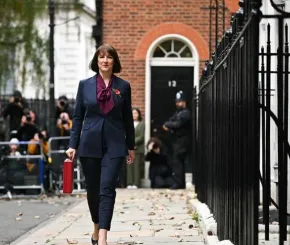
Beyond the headlines, what does the Autumn Budget really mean for you and your clients?
6 mins
Rachel Reeves avoided spooking the bond market with her Budget, but we think she could have done more to boost long-term economic growth. And although she's built a bigger margin for error, it's still easily possible that Reeves finds herself looking for more tax increases again in a year’s time.

1 min
With the 2025 Autumn Budget approaching, the UK stands at a crossroads: high government debt, rising spending pressures, and slow economic growth demand a new approach. In this timely report, Oliver Jones argues that the only way out is to prioritise investment.

5 mins
With economic indicators softening and fiscal challenges building, the Autumn Budget will be a key moment for the UK government to show it can balance public finances and support a steady recovery.
Ready to start a conversation? Please complete our enquiry form, and our distribution team will be in touch.
The value of your investments and the income from them may go down as well as up, and you could get back less than you invested.
Wealth Management